
Stress, Sleep & Recovery: The Missing Link in Your Healing Journey
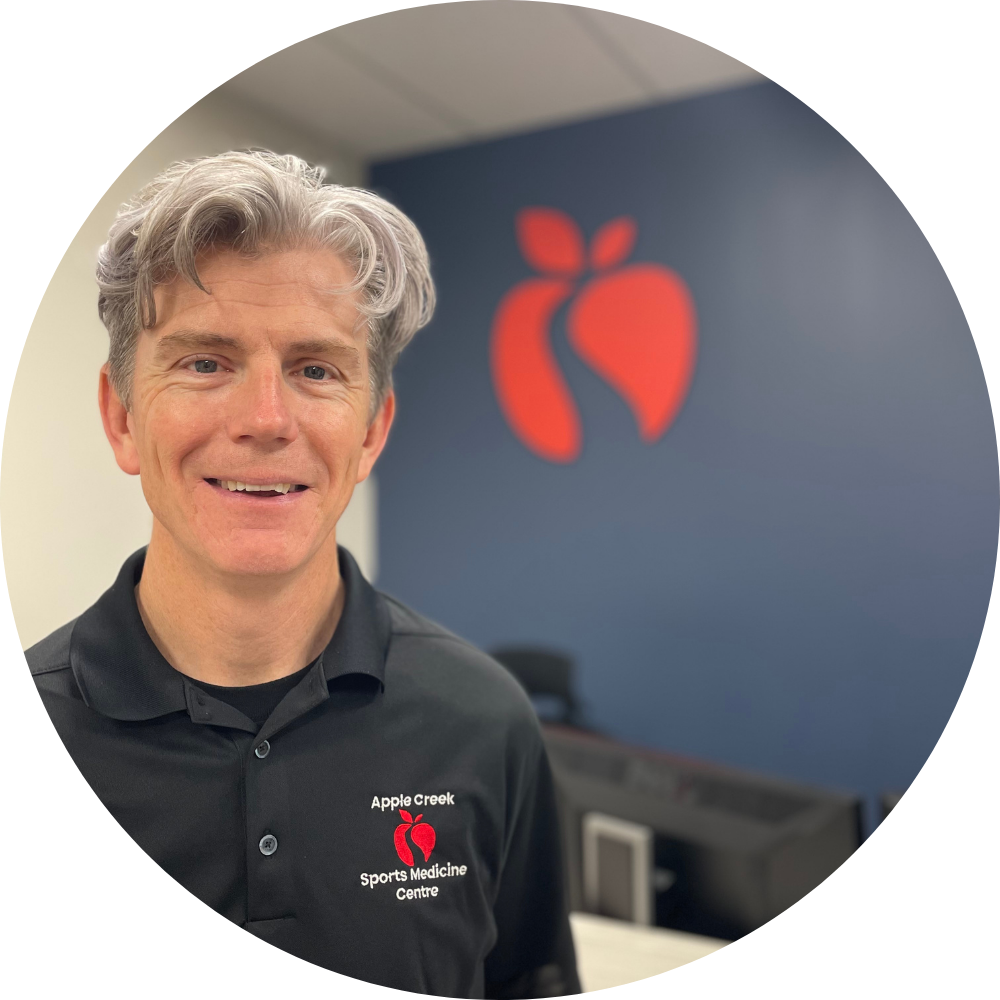
John Sage, Osteopathic Manual Practitioner
At Apple Creek Sports Medicine Centre, we often focus on exercise programs, hands-on treatment, and progressive rehab plans—but there’s another critical piece to recovery that many people overlook: stress and sleep.
If you’re dealing with a nagging injury, slow progress, persistent soreness, or fatigue, your body may be telling you it needs more than just stretches and strengthening. It may need better recovery.

How Stress Impacts Your Body
Stress isn’t just mental—it’s physical.
When you’re under stress (work deadlines, family responsibilities, financial pressure, training load, etc.), your body releases cortisol and other stress hormones. In short bursts, this is helpful. But when stress becomes chronic, it can:
-
Increase muscle tension
-
Delay tissue healing
-
Suppress immune function
-
Increase inflammation
-
Heighten pain sensitivity
-
Disrupt sleep
For athletes and active individuals, high stress combined with intense training can significantly increase the risk of injury and burnout.
Why Sleep Is Your Superpower
Sleep is when your body repairs itself.
During deep sleep:
-
Muscles rebuild
-
Tissues heal
-
Hormones regulate
-
The brain processes movement patterns and learning
-
Inflammation decreases
Consistently getting less than 6–7 hours of quality sleep can:
-
Slow injury recovery
-
Increase risk of stress fractures and overuse injuries
-
Reduce strength and performance
-
Impair coordination and reaction time
If you’re doing “all the right exercises” but not sleeping enough, your progress may stall.
The Recovery Equation
Recovery isn’t just rest days. It’s the balance of:
Training + Stress + Sleep + Nutrition + Mental Well-being
When stress is high and sleep is low, the body stays in a heightened state of alert. Healing becomes secondary to survival.
That’s why at Apple Creek, we look at the whole person—not just the injured area.
Practical Tips to Improve Sleep & Manage Stress
Here are simple, effective strategies you can start today:
1. Create a Sleep Routine
Go to bed and wake up at consistent times—even on weekends.
2. Limit Screens Before Bed
Aim to stop phone and computer use 30–60 minutes before sleep.
3. Wind Down Intentionally
Light stretching, deep breathing, reading, or journaling can signal your body it’s time to rest.
4. Move Your Body (But Smartly)
Exercise reduces stress—but overtraining increases it. Follow a guided plan that matches your recovery capacity.
5. Fuel Properly
Undereating can elevate stress hormones and delay healing.
6. Talk It Out
Mental stress matters. A strong support system—or professional guidance—can make a difference.
When to Seek Support
If you’re experiencing:
-
Persistent fatigue
-
Recurrent injuries
-
Poor sleep
-
Slow rehab progress
-
Increased pain despite treatment
It may be time to look at stress and recovery as part of your care plan.
Our team at Apple Creek Sports Medicine Centre works collaboratively to help you optimize not only your treatment plan—but your recovery environment.
Final Thoughts
Recovery doesn’t just happen in the clinic.
It happens at night.
It happens when you manage stress.
It happens when you give your body permission to rest.
If your goal is to return to sport, reduce pain, or simply move better—don’t underestimate the power of sleep and stress management.
Your body heals best when it feels safe, rested, and supported.
About the Author:
John P. Sage is an outstanding and compassionate Osteopathic Manual practioner who truly cares for his patients. He believes the body tells the story of what’s going on beneath the surface—and with careful listening, skilled hands, and clinical insight, he helps uncover and address the root cause of dysfunction. His patient-centered approach combines experience, education, and a deep respect for the body’s innate ability to heal.
For more information about John, click here